Electric Bike Network: Your Guide to Electric Bike Servicing, Maintenance, and Repair
Bikes 4 min read Updated
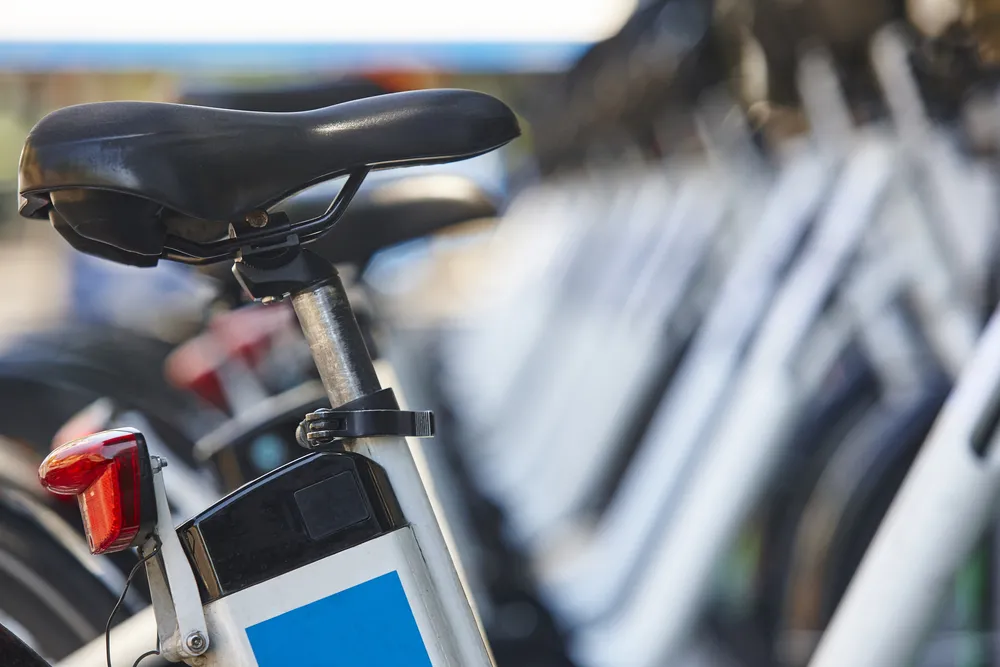
E-bike maintenance is not different from the maintenance needed for conventional bikes. Most of the electronic parts require little to no maintenance.
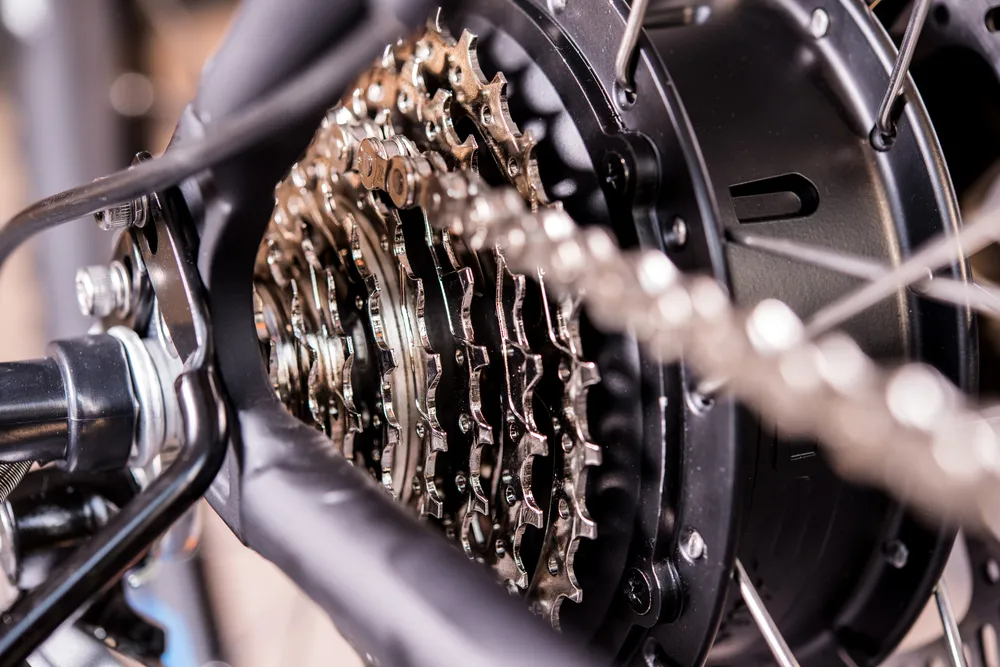
However, because e-bikes are ridden faster and farther, they require keener and more frequent care. Deflated tires, dirt in gears, and so many other problems can slow your bike and consequently damage the battery by making it work harder.
Unlike fueled-powered vehicles and bicycles, e-bikes have very few moving parts and don’t need frequent replacement of spark plugs and air filters. This makes e-bike maintenance much easier.
Servicing and Maintaining Your Electric Bike
Use a Manual
New e-bikes usual come with their manuals. The manual lays out all the setup and maintenance procedures you need. For instance, it’ll direct you on how to set up and charge your battery before using it.
In addition, you can join electric bike forums to interact and exchange maintenance and user experiences with other e-bike riders. These electric bike conversation forums will also provide you with credible information and how to use the e-bike properly and where to get the best servicing and repairs.
If for any reason you don’t have the manual, look for it on brand pages.
Electric Bike Maintenance
For you to squeeze all the fun out of your e-bike, there are some simple steps you can take to keep it in excellent condition without taking it to the dealers.
Here are tips to guide you along:
- Clean your e-bike after every ride.
- Never use a jet wash on your e-bike, it not only drives out lubricants from the bearings, but also compresses water into the bike’s interiors. The water, in turn, corrodes critical components.
- If you’re cleaning you e-bike using a high-power hose, make sure no water reaches the bottom bracket, headset, hubs, or any part that needs constant greasing.
- Don’t let your chain dry. After cleaning, lubricate your chain using the recommended chain oil. Use wet lube during the winter and dry lube over summer. Go to e-bike forums and look for the best products by checking comparing electric bike kit reviews on the platform.
- Don’t use lubricants that remain wet on your cables. This will allow dust to stick to it and cause your cable to clutch and present many more problems.
- Use shine bike products that leave a protective layer over your paintwork. This will keep your bike looking new for a long time to come. However, keep this product off braking components!
- When you’re not riding, keep your e-bike in a cool, dry place – preferably your garage.
- Always keep your tires properly inflated. This protects them from uneven wear. It also makes your ride more enjoyable since your bike moves with little resistance. With less resistance, your e-bike uses less power and extends its range.
Battery and Motor Maintenance
Today, a lot of the motors are sealed and unserviceable. This means that if it stops working, you’ll have to replace it rather than repairing it.
The battery is the part that will decide when the bike stops being worth keeping. Packs degrade on a calendar as well as through use, so a lightly ridden five-year-old bike will still have lost capacity. Before buying any e-bike, ask whether replacement packs are sold separately and what they cost — on some direct-to-consumer brands they are not available at all, which turns a battery fault into a scrapped bike.
Never open a pack, and never charge one that has been dropped hard, swollen, or soaked. Damaged lithium cells fail dangerously and are not a home repair. Take it to a shop, and dispose of a dead pack through a battery recycling point rather than household waste.
E-bike forums and owners' groups are a good source of model-specific knowledge on both motors and packs.
A few habits genuinely extend battery life:
- Do not leave it flat. A lithium pack left fully discharged for weeks can drop below the voltage its protection circuit will recover from, and at that point it is scrap.
- Do not store it at 100% either. For day-to-day riding, charging after each ride is fine. For storage over a season, leave it around half charge and top it up every couple of months.
- Keep it out of extremes. Scorching sun and hard frost both age cells quickly. Bring the pack indoors over winter rather than leaving it on the bike in a shed.
- Have capacity checked by a reputable shop if range has fallen noticeably. Most systems can report cycle count and state of health.
One piece of advice that circulates widely and is worth correcting: lithium batteries do not need "conditioning" cycles. Deliberately running one flat and recharging it does not recalibrate anything useful and puts the pack through a deep discharge that shortens its life. That advice belongs to nickel-cadmium batteries, which had a memory effect; lithium does not. Partial charges are not merely acceptable, they are gentler than full ones.
Schedule Your E-Bike Servicing and Maintenance Today!
The frequency of your servicing and maintenance depends on how frequently you ride and the conditions you ride in.
An e-bike that only used for recreational rides and short trips need less maintenance than that that makes long off-road trips.
However, regardless of the use, it is recommended to perform proper maintenance after every few months.
Ride safely!