Electric Pickup Trucks: What to Look For
Trucks 3 min read Updated
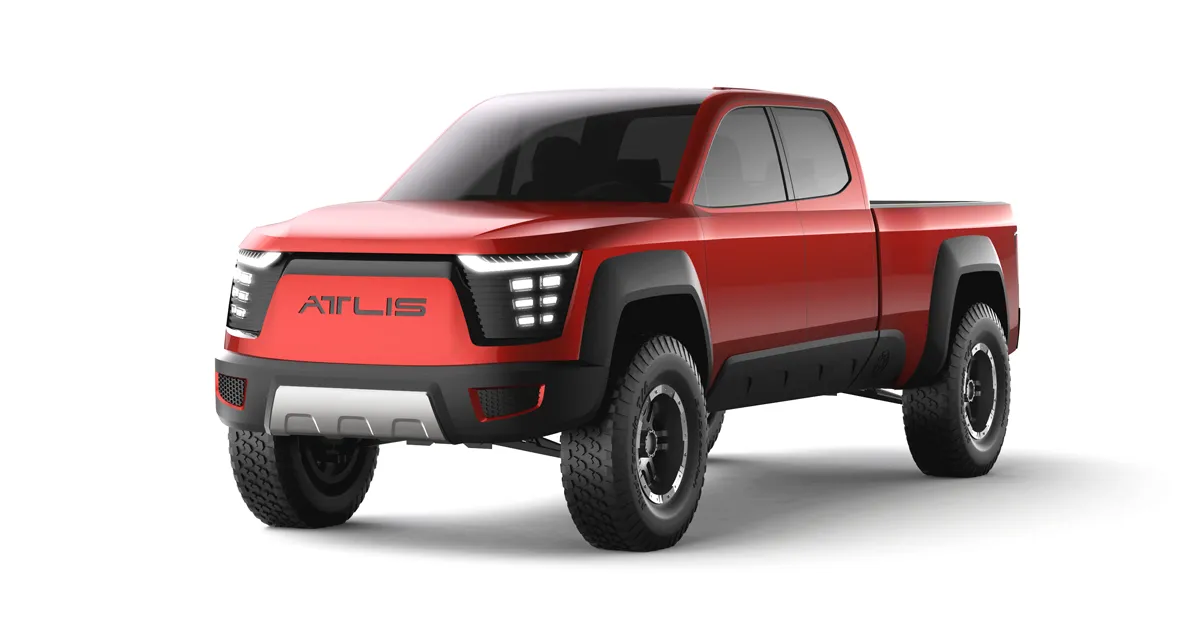
When this guide was first written, you could not buy an electric pickup. The category existed as concept vehicles, deposit lists and press releases, and the honest advice was to wait.
That is no longer true. Four electric pickups are in volume production in the US, they have been in customers' hands long enough for real-world data to exist, and the interesting question has moved from whether to which, and for what.
The one number that changes everything: range under load
This is the specification that separates an electric pickup from an electric car, and it is the one most likely to disappoint someone who has not planned for it.
Towing a trailer at highway speed typically costs a third to half of an EV's solo range. A truck rated at 320 miles may cover 160–210 with a loaded trailer behind it. That is not a defect — a combustion truck loses efficiency too — but the consequence is different, because the refuelling infrastructure is different and because most charging bays are not designed to be pulled into with a trailer attached.
If you tow regularly and far, work out the real figure for your load before anything else. If you tow occasionally and locally, it barely matters.
What else to weigh
- Payload versus towing. These are separate ratings and trucks are not equally good at both. Payload is what sits in the bed; towing is what hangs off the back. Check the one you actually need.
- Charging speed and standard. The industry has consolidated on NACS, and most new trucks either ship with that port or an adapter. Peak charging rate matters more on a truck than on a car, because the batteries are enormous and a slow charger turns a stop into an afternoon.
- Bidirectional power. Most of these trucks can run tools, a site, or a house during an outage. For trades and rural buyers this is frequently the feature that justifies the purchase, and it is worth checking the exported wattage rather than assuming.
- Frunk and bed geometry. The absent engine frees genuinely useful lockable storage. Bed length and tailgate design still vary in the ways they always did.
- Cold weather. Range falls in winter, and it falls further when you are towing in winter. If you live somewhere cold, weight your expectations accordingly.
What is on sale in 2026
Four trucks dominate the segment, and they are aimed at meaningfully different buyers.
Ford F-150 Lightning
The conventional choice, and the one US News currently ranks at the top of the segment. Dual-motor all-wheel drive produces 580 hp and 775 lb-ft, extended-range models are EPA-rated up to around 320 miles, and maximum towing is 10,000 lb. Its advantage is that it is an F-150 — the bodies, the accessories, the dealer network and the working patterns are all familiar.
Rivian R1T
The long-range option, with an estimated 420 miles in its highest configuration, and the best of the four on unpaved surfaces. Aimed at buyers who want an electric truck as a vehicle rather than as a work tool.
Chevrolet Silverado EV
The capability leader on paper: up to 12,500 lb of towing and 1,800 lb of payload, with the largest batteries in the segment. If the job is hauling and the range figure has to survive a load, this and the closely related GMC Sierra EV lead.
Tesla Cybertruck
EPA range up to roughly 340 miles depending on trim. The stainless body and unconventional shape are either the point or the problem depending on the buyer; the powertrain and charging network are not in question.
Edmunds and Recharged both publish towing-specific comparisons, which is the testing that matters most in this category and the hardest to find.
Which one
Work backwards from the job:
- Heavy, frequent towing. Silverado EV or Sierra EV — the capability ratings and battery size are the segment's largest.
- A work truck that behaves like the one you already run. F-150 Lightning, for the ecosystem as much as the specification.
- Distance and dirt roads. Rivian R1T.
- Longest range with the Supercharger network. Cybertruck.
And if you tow near the limit, every day, over long distances, a diesel is still the less compromised tool. That is a shrinking category, but it is honest to say it is not empty yet.
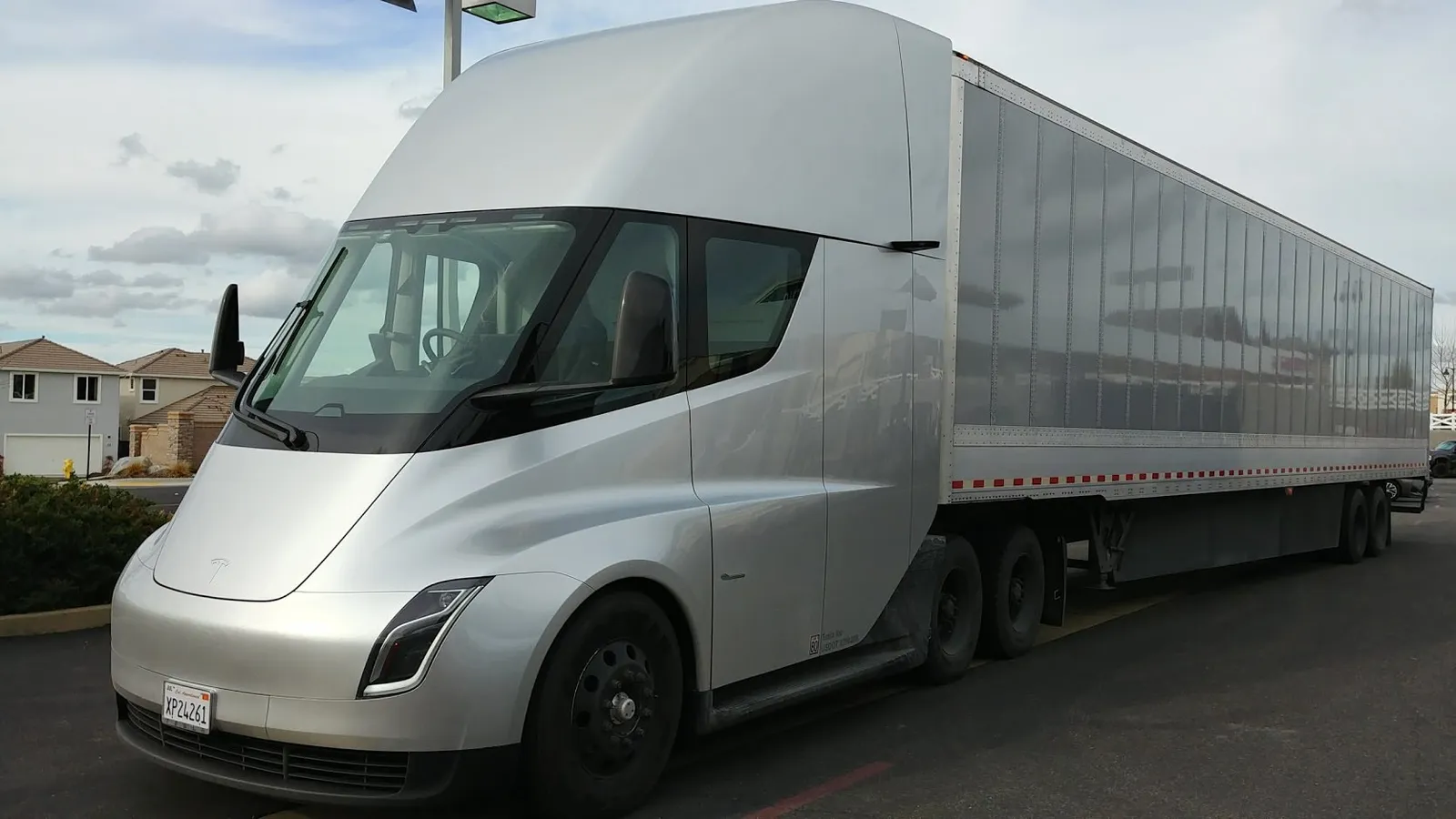
If you want the broader picture of how electric trucks differ from their combustion equivalents, the buyer's guide to electric trucks covers the mechanical side, and the Tesla Semi covers what is happening at the heavy end.