Electric UTVs: How to Choose One
Trucks 4 min read Updated
Why electric makes unusual sense here
A utility task vehicle is one of the few places where the electric argument is not really about emissions. It is about the specific way these machines get used.
UTVs spend their lives doing short trips at low speed with long idle periods in between — around a farm, a resort perimeter, a job site, a hunting property. That duty cycle is close to the worst case for a combustion engine and close to the best case for a battery. The result is that an electric UTV often makes financial sense before it makes any other kind.
Three practical consequences follow:
- No fuel storage. Keeping cans of petrol around a business is a hazard, an insurance question and a theft target. Removing them is worth more to some operators than the running-cost saving.
- Silence. On a hunting property or a resort at 6 a.m., this is the entire reason for the purchase. It also removes the exhaust problem in barns and polytunnels.
- Maintenance. No oil, no filters, no belts in the conventional sense. Polaris estimates scheduled maintenance costs around 70% below a comparable petrol machine.
What to weigh
Torque, not horsepower
UTV work is pulling, climbing and starting under load, all of which are torque problems. An electric motor delivers its full torque immediately, with no need to build revs or slip a clutch, and that is the single biggest behavioural difference from a petrol machine. It shows most on a steep, loaded, standing start.
Run time, measured in hours, not miles
Range in miles is close to meaningless for a vehicle that spends its day crawling, stopping and running attachments. Ask instead how many hours of the work you actually do it will sustain, and remember that mowing, plowing or running a sprayer draws current the whole time.
The practical question is whether it lasts a full shift, because there is rarely an opportunity to charge mid-day. If it does not, you are buying a second battery or a change in how you work.
Charging
Most of these charge from ordinary outlets, which is fine overnight and useless at lunchtime. Check whether the machine supports a faster charger and whether the site has the supply to feed one.
Payload and towing
Check both, separately, against what you actually carry. Bed capacity and tow rating are quoted independently and are not interchangeable.
Terrain and drive
Selectable four-wheel drive, ground clearance and suspension travel matter as much as they always did. Battery weight sits low, which helps stability on side slopes — a genuine advantage over a petrol machine with a high engine.
Cold
Capacity falls in the cold, and UTVs frequently live outside in it. If the machine works through a northern winter, discount the quoted run time accordingly and ask about battery heating.
What is actually in production
This is a much smaller market than electric cars, and the honest summary is that one machine dominates the full-size utility category.
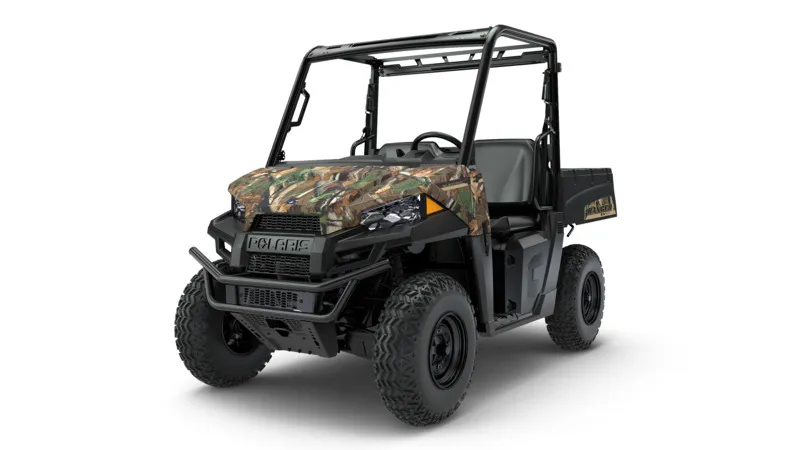
Polaris Ranger XP Kinetic
The Ranger XP Kinetic is the most capable electric side-by-side on sale. A 110 hp permanent-magnet AC motor produces 140 lb-ft — Polaris claims roughly twice the torque of any other full-size utility side-by-side — and it is sold in two forms:
- Premium, with a 14.9 kWh battery and up to 45 miles of range, at $29,999.
- Ultimate, with a 29.8 kWh battery and up to 80 miles, at $37,499, rated to tow 2,500 lb and carry 1,500 lb of payload.
The gap between those two batteries is the whole decision. If the machine works a full day with attachments running, the Premium's pack is the constraint you will meet first.
Everything else
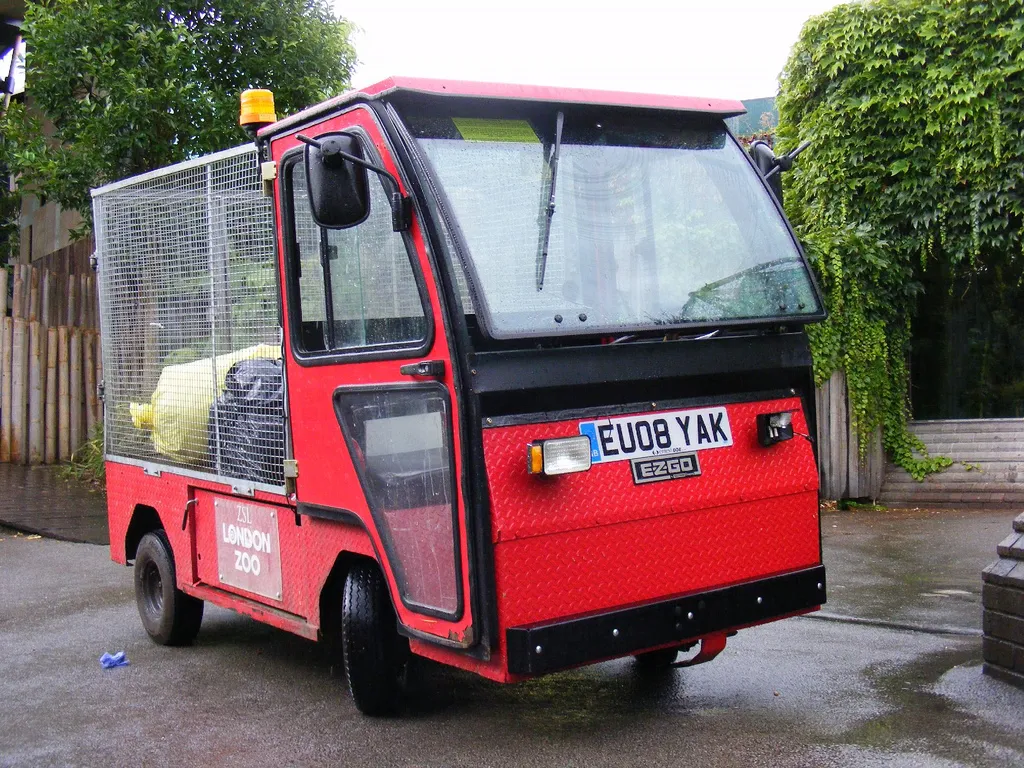
Below the full-size category there are electric utility vehicles from turf and golf manufacturers — quieter, lighter, cheaper, and suited to groundskeeping rather than to farm or trail work. They are a different tool, and if your ground is flat and your loads are light they are frequently the better-value answer.
Several of the manufacturers named in this guide's 2018 edition never reached production, which is worth remembering when reading announcements in this segment.
Is electric right for your use?
It is a clear yes when the work is short-trip, repetitive, near a power supply, and benefits from silence or from removing fuel storage. Farms, resorts, campuses, hunting properties, warehouses and market gardens all fit.
It is still a qualified no when the machine works remote ground far from any outlet for days at a time, or when the duty cycle is long and continuous and heavy. Charging infrastructure, not capability, is what rules those cases out.
For the closely related question of electric pickups, the pickup guide covers towing and payload in more depth.