Electric Scooters: A Buyer’s Guide
Bikes 4 min read Updated

The electric scooter market has changed more than almost anything else on this site. In 2019 it was mostly rebadged imports with optimistic range claims. It is now a real product category with real engineering behind it, and the gap between a good scooter and a bad one has widened rather than closed.
This guide covers the specifications that predict whether you will still be riding it in two years, and what is worth buying as of mid-2026.
Start with the commute, not the scooter
Almost every bad scooter purchase comes from buying on top speed or headline range instead of on the journey. Measure your actual route first — distance each way, whether it has hills, what the road surface is like, and whether you have to carry the thing up stairs at either end. Those four facts eliminate most of the market before you have read a single review.
The specifications that matter
Range, and the number to actually believe
Quoted range is measured on flat ground at low speed by a light rider in mild weather. Real-world range routinely lands 30–40% below the headline figure. Reviewers who test properly publish both: the Segway Ninebot F2, for instance, is rated at 25 miles and returns roughly 16–18 in normal use.
Plan around the realistic number, and size it for a round trip. Charging at the other end is a promise you will break.
Voltage, not just watts
Most scooters at the budget end run 36 V systems. A higher-voltage architecture holds its speed deeper into the battery's discharge, so the scooter still feels quick at 30% charge rather than sagging badly. This is the difference riders notice most on a long commute, and it is rarely advertised prominently.
Wheels and tyres
Ten-inch wheels ride better than eight-inch wheels over the broken tarmac, kerbs and drain covers of a real city. Pneumatic tyres are far more comfortable than solid ones, at the cost of punctures — which is why self-sealing tubeless tyres, now standard on several mid-range models, are genuinely worth paying for. It is not a feature you value until the specific morning it saves you.
Brakes
Regenerative braking alone is not enough. You want a mechanical brake too — disc for preference, drum as an acceptable alternative. Braking distance is worth checking where a reviewer has measured it: the NIU KQi3 Max stops in about 9.3 ft from 15 mph, which is a usefully concrete number in a category full of vague claims.
Weight and the folding mechanism
If the scooter has to come indoors, up stairs, or onto a train, weight is the specification that decides whether you keep using it. Anything under 40 lb is manageable; much above 50 lb and it stays outside, which usually means it stops being part of your commute. Check how the folding latch works and whether it has developed play in reviews after a few months.
Ingress protection
Look for an IP rating. Riding in rain is not optional if you commute, and water ingress is the most common way these scooters die.
What to buy in 2026
These are the models that reviewers testing in the real world currently converge on. Availability and pricing move constantly, so treat this as a shortlist to research rather than a final answer.
Short urban commute, carried indoors
The OKAI Zippy Pro ES52 weighs under 40 lb and folds small enough for an office corner, with realistic range covering the 3–6 mile each-way trips that describe most city commuting.
Everyday all-rounder
The Segway Ninebot F2 is the default recommendation: 10-inch self-sealing tubeless tyres, roughly 16–18 miles of real range, and a build that reviewers consistently rate as durable rather than merely cheap.
Longer commute
The NIU 300P is aimed at riders doing eight miles or more each way, with 900 W peak output and a realistic 20–24 miles. The NIU KQi3 Max is the alternative, notable for holding speed as the battery drains and for a measured, short stopping distance.
Maximum range
The Segway Ninebot Max G3 leads on endurance with a 597 Wh battery and up to 50 miles quoted. The Ninebot F3 offers up to 44 miles as standard and can be extended with an external battery pack if your route genuinely demands it.
ERideHero and Electric Scooter Insider both publish real-world tested range figures rather than manufacturer claims, which makes them the useful places to compare specific models.
Buying for a child
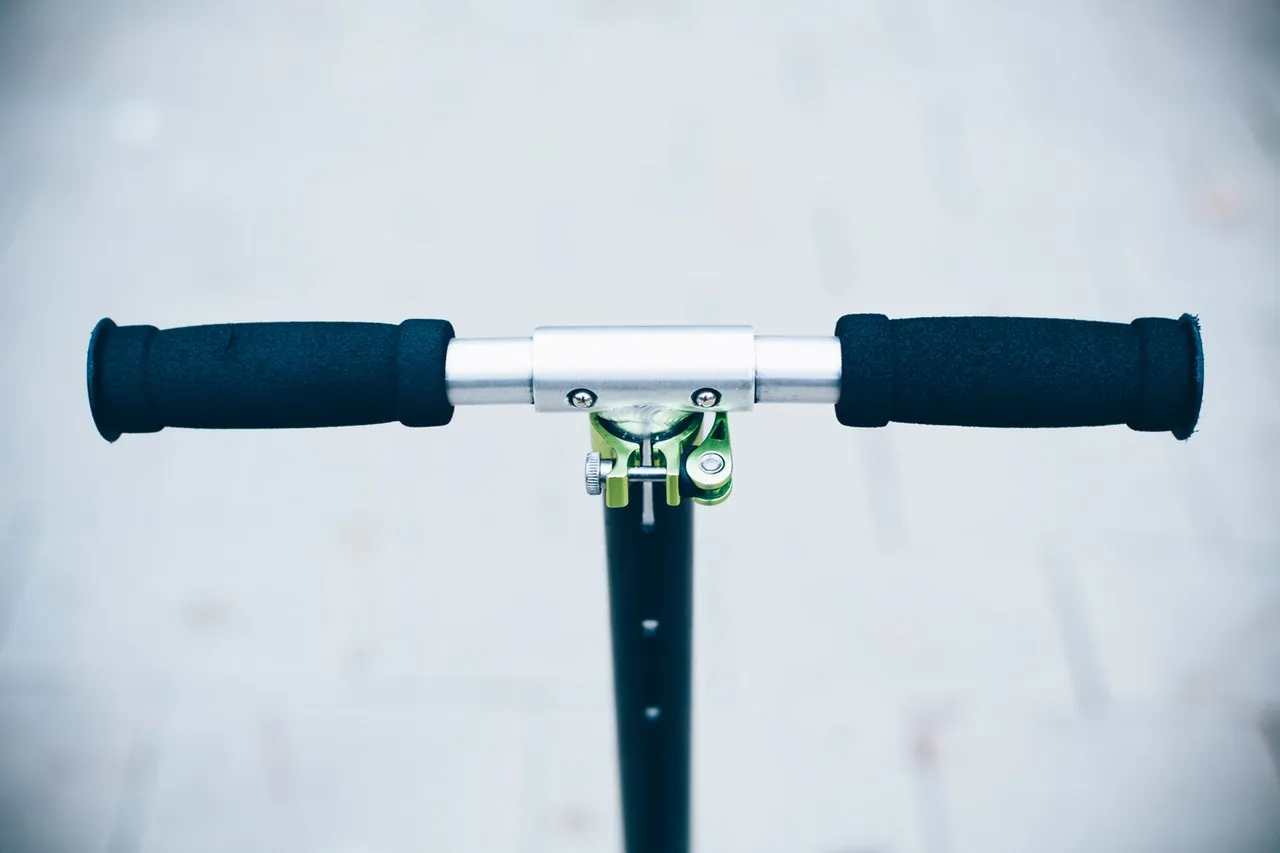
A commuter scooter is the wrong tool. Adult models reach 20–25 mph and weigh too much for a child to control or pick up. Buy something designed and speed-limited for the age, and read the guide to buying a kids' scooter first — the considerations are genuinely different.
Where you are allowed to ride
Rules vary enormously and have tightened in several cities since this guide was first written. Some places treat scooters like bicycles, some restrict them to the road, some ban them from pavements entirely, and a few still prohibit private ones outright. Check your local rules before buying rather than after — it is the one variable no specification sheet will tell you about.
The short version
Buy for your actual route. Discount the quoted range by about a third. Insist on a mechanical brake, ten-inch pneumatic tyres if the roads are rough, and a weight you can genuinely carry. Everything else is preference.