Electric Trucks: A Buyer’s Guide
Trucks 4 min read Updated
"Electric truck" covers three quite different markets: consumer pickups, delivery and box vans, and heavy freight tractors. They face different problems and are at very different stages, so it is worth being clear about which one you mean.
This guide covers the category as a whole and how to judge any of them. For consumer pickups specifically, the pickup guide goes further.
First, a correction
The original version of this guide said electric vehicles could manage "60–70 miles before having to recharge". That was pessimistic even in 2018 and it is now simply wrong. Production electric pickups are EPA-rated between roughly 320 and 420 miles, delivery vans between about 150 and 270, and the heaviest freight tractors around 500. Range is no longer the reason to avoid an electric truck. Charging time and charging access frequently still are.
The three markets
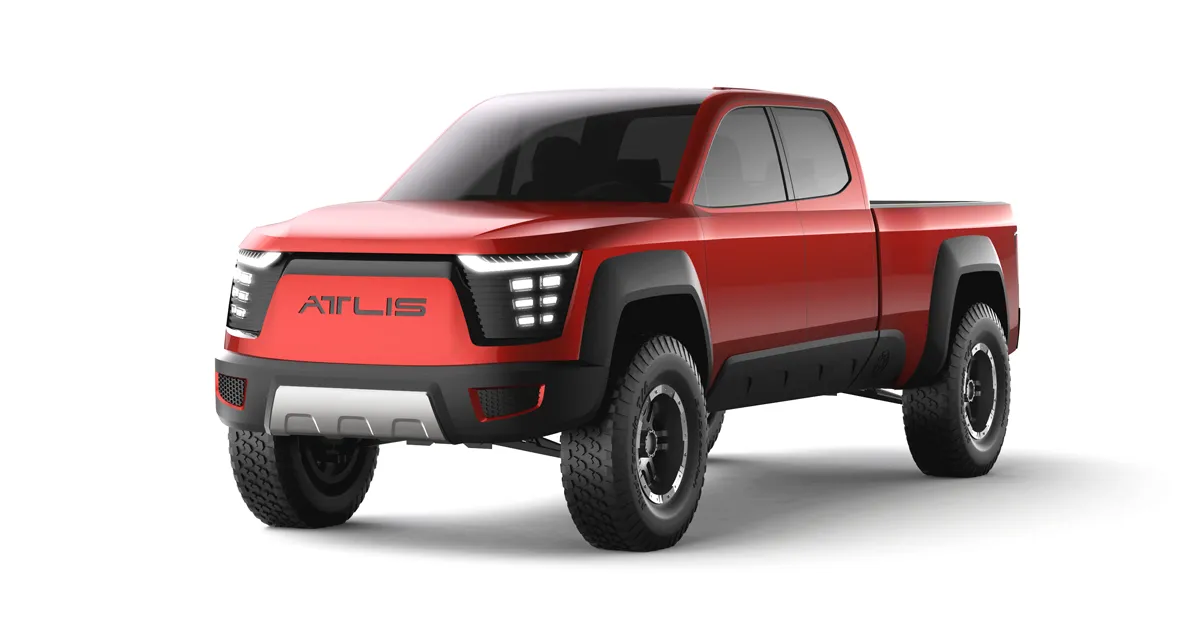
Consumer pickups
Solved, in the sense that you can walk into a dealer and buy one. Ford, Chevrolet, GMC, Rivian and Tesla all sell them, capability ratings are competitive with petrol equivalents, and the open question is towing range rather than whether the vehicle works.
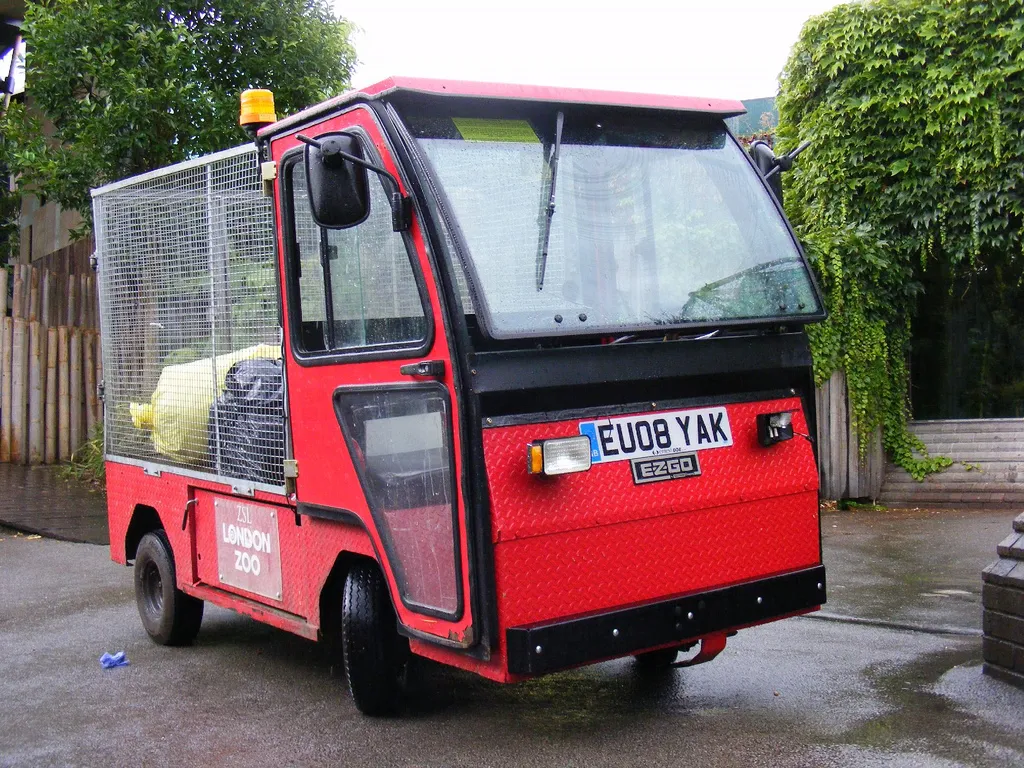
Delivery and box vans
The strongest case in the whole category, and the reason fleets moved first. A delivery van drives a known route, returns to a known depot every night, and spends its day stopping and starting — which is the duty cycle electric drive handles best and diesel handles worst. Ford's E-Transit, the Rivian commercial van, BrightDrop and the Mercedes eSprinter are all in service at scale.
Range spans roughly 150–160 miles for the E-Transit and Rivian van, up to about 270 for BrightDrop with the larger pack. For a fixed urban route that is comfortable; for regional work it is the constraint.
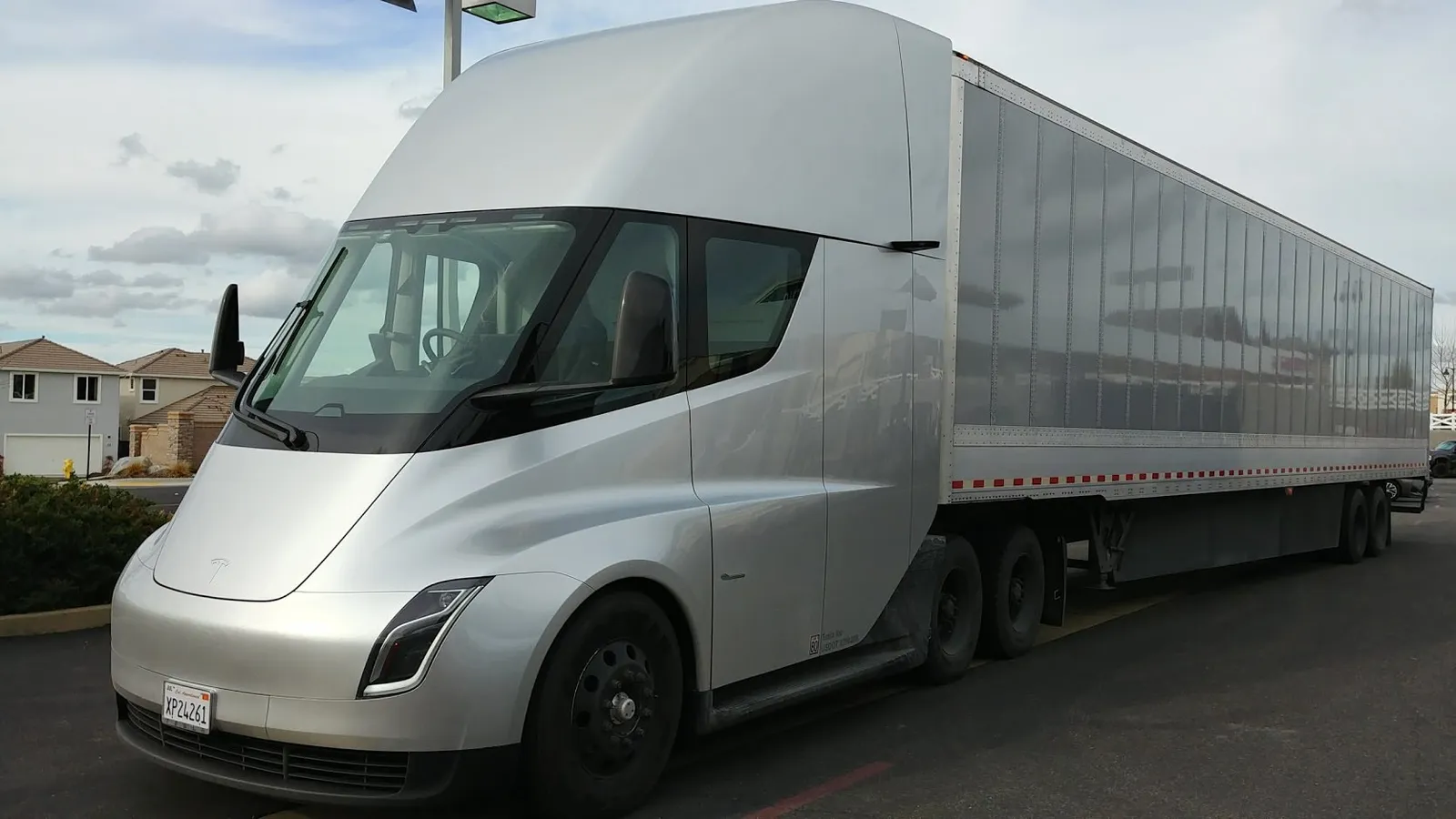
Heavy freight
The hardest problem and the least settled. Weight, charging power and turnaround time all scale badly, and the infrastructure to charge a fleet of tractors at a depot is a serious electrical engineering project in its own right. The Tesla Semi covers where that stands.
What actually decides whether it suits you
Duty cycle, not range
The right question is not "how far does it go" but "does it complete a day's work and recharge before the next one". A van doing 90 miles of stop-start delivery and parking at a depot overnight is an easy yes at 150 miles of range. A truck doing 300 miles between two points with no charger at either end is a no at 400.
Where it charges, and how fast
This is where most electric truck plans fail. Depot charging needs supply capacity that many sites do not have, and upgrading it can cost more and take longer than the vehicles. Establish what your site can deliver before you order anything.
Range under load
Towing or a full payload typically costs a third to a half of the solo range at highway speed. Plan around the loaded figure, because that is the one you will actually experience.
Payload and the weight penalty
Batteries are heavy, and on a commercial vehicle that weight comes out of what you can carry. Check payload after the battery, not the manufacturer's headline chassis rating. In some jurisdictions electric commercial vehicles get a weight allowance to compensate — worth checking, because it can change what licence the vehicle needs.
Cold
Expect a meaningful range reduction in winter, and more if the load compartment is heated or refrigerated. Northern operators should size for the worst month, not the average.
Total cost, not purchase price
Electric trucks cost more to buy and considerably less to run — no fuel, far less maintenance, no oil changes or exhaust aftertreatment. The maths works out over the vehicle's life, and works out fastest for high-mileage duty cycles. It is the one place where the accountant's answer and the engineer's answer agree.
Bidirectional power
Many of these can export power to a site, a set of tools, or a building. For trades and for anywhere with unreliable supply this is often worth more than the fuel saving.
The honest limits
Electric trucks are no longer a compromise for most urban and regional work. They remain a compromise for:
- Long-haul routes without depot or destination charging.
- Operations that run vehicles continuously across shifts with no window to charge.
- Remote work far from any adequate supply.
- Sustained heavy towing over long distances, where a diesel is still the less compromised tool.
Those categories are shrinking every year, but pretending they have already vanished helps nobody choosing a vehicle now.
The short version
Start with the route and the depot, not the truck. If the vehicle returns somewhere with power every night and does under 200 miles a day, electric is very likely the cheaper and better answer already. If it does not, the question is when the charging will exist, not whether the truck is good enough.