Electric Bike Styles: Commuter, Fat-Tire, Folding and Cargo
Bikes 5 min read Updated
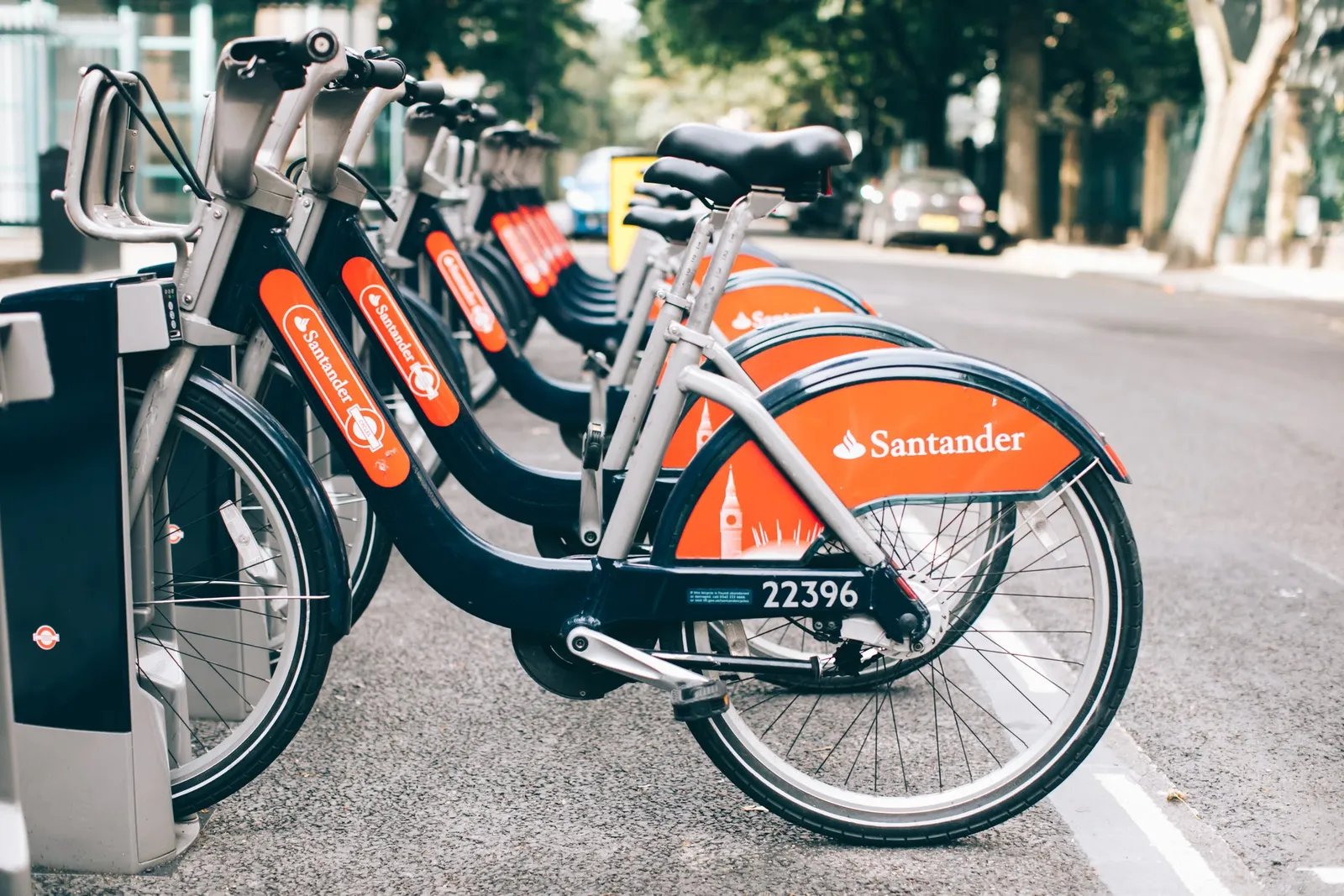
An electric bicycle is not one thing. The word covers a folding commuter that weighs 45 lb and a cargo bike that will carry two children and a week of groceries, and choosing between them matters far more than choosing between two brands within a family.
This guide covers the four families, what each is genuinely good at, and the specifications worth reading before you spend anything.
What an electric bicycle actually is
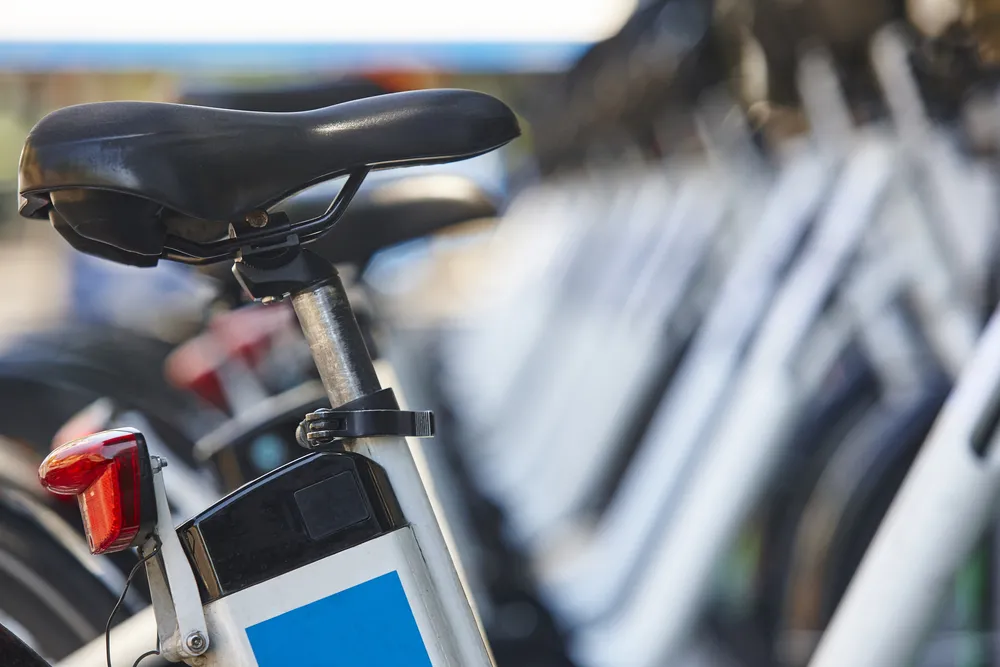
An electric bicycle looks and rides like a normal bicycle, except each stride you make is assisted by a motor drawing on a battery. You can let the bike do more of the work, but that drains the battery quickly — the assist is designed to multiply your effort, not replace it.
Every e-bike has the same four parts:
- Battery. Usually integrated into the down tube. Capacity is quoted in watt-hours (Wh), and that number — not the motor wattage — is what predicts range.
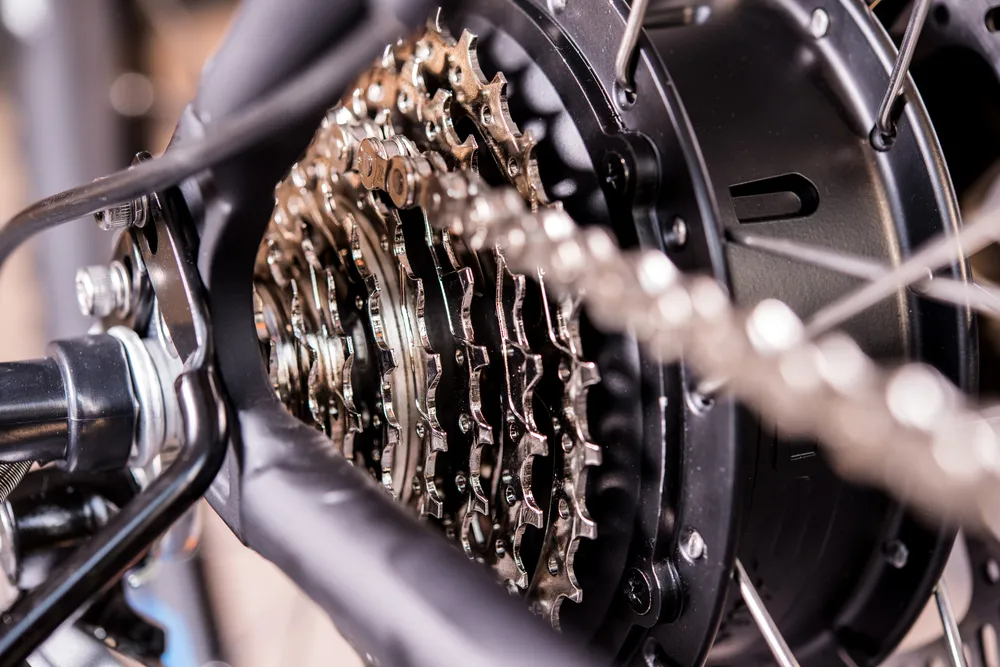
- Motor. Either in the wheel hub or at the cranks. Rated in watts for power and newton-metres (Nm) for torque.
- Controller. On the handlebars, where you set the assist level.
- Sensor. Either a cadence sensor, which switches assist on when the pedals turn, or a torque sensor, which scales assist to how hard you are actually pushing. Torque sensing costs more and feels dramatically more natural.
The class system
Most US states now sort e-bikes into three classes, and the class determines where you are allowed to ride. This did not exist when this guide was first written and it is now the first thing to check.
- Class 1. Pedal assist only, cuts out at 20 mph. Allowed on most bike paths and many trails.
- Class 2. Adds a throttle you can use without pedalling, still capped at 20 mph.
- Class 3. Pedal assist to 28 mph. Faster for commuting, but barred from many shared-use paths and often subject to a minimum age.
If your route includes a bike path, check its rules before buying a Class 3 bike. The extra 8 mph is worth little if you cannot legally use it where you ride.
The four families
Commuter
The default choice, and the right one for most people. Upright riding position, lights and mudguards fitted as standard, a rack mount, and enough range to cover a round trip without charging at the far end.
The Aventon Level 4 is the bike most reviewers currently reach for as the all-round commuter benchmark — OutdoorGearLab rates it the best everyday e-bike of 2026, largely on the strength of its equipment level for the money rather than any single headline number.
What to look for: torque sensing rather than cadence sensing, integrated lights wired to the main battery, and a rack rated for the loads you actually carry.
Folding
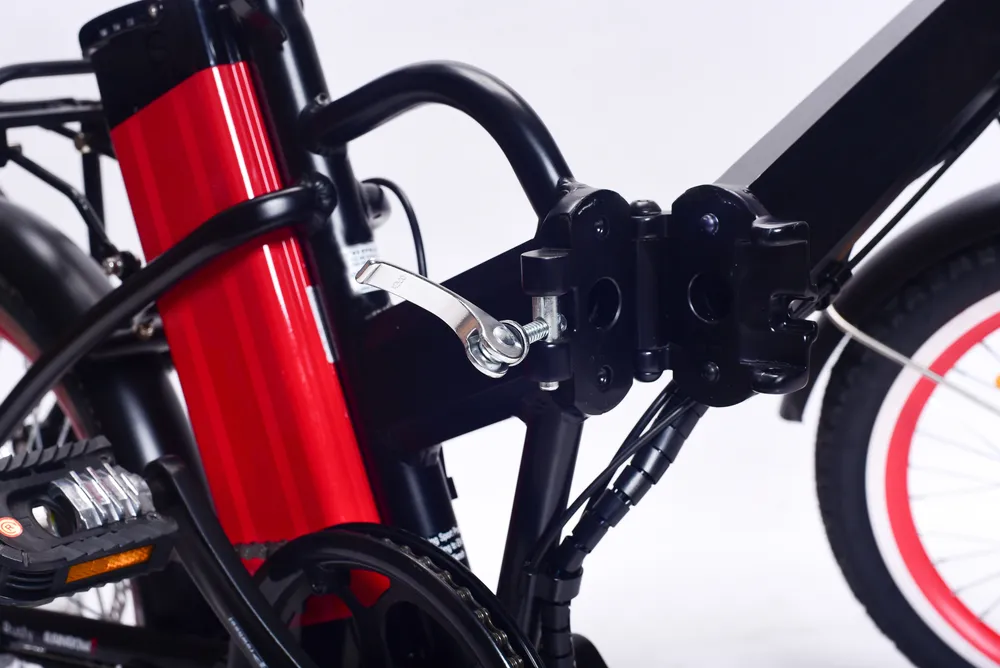
For anyone combining a bike with a train, a bus, a boat or a small flat. The compromise is weight and wheel size — small wheels are twitchier and less comfortable over broken surfaces.
The Ride1Up Portola is the current reference point, with a 750 W motor and 65 Nm of torque, which is unusually strong for a folder at its price. If you need a folder that also hauls, the Lectric XP4 750 carries a 330 lb total payload rating with a rear rack rated to 150 lb. At the budget end, the GoTrax eFold brings folding e-bikes under $500.
What to look for: how it folds and how big it is folded — measure the space it has to fit into before buying, not after.
Fat-tire
Four-inch tyres run at low pressure, which floats over sand, snow and loose gravel and smooths out everything else. The cost is weight, rolling resistance and range.
The Heybike Ranger 3.0 Pro is the comfort-oriented pick, combining a folding frame with 20 × 4 in tyres and full suspension. Electric Bike Report tests the category in depth if you want to compare more of them.
What to look for: be honest about the terrain. If you ride pavement, a fat-tire bike costs you range and speed for float you will never use.
Cargo
The family that replaces car journeys rather than bike journeys. A long-tail frame carries children, shopping or trade tools, and the assist is what makes the resulting weight rideable.
The Tern GSD remains the benchmark: up to 440 lb of payload, and short enough to park in a standard bike rack, which is the detail that makes it liveable in a city. If you want one bike that leans cargo without committing to a long-tail, the Ride1Up Vorsa carries a 440 lb payload with a 750 W motor and 95 Nm of torque.
What to look for: the payload rating including the rider, a frame-mounted kickstand strong enough to load against, and whether your storage can physically accommodate the length.
The specifications that predict satisfaction
- Watt-hours, not watts. A 500 Wh battery on an efficient bike will out-range a 750 W motor with a small pack. Watt-hours are capacity; watts are draw.
- Torque, not top speed. Every class-limited bike tops out at the same speed. Torque in Nm is what gets you up a hill without standing on the pedals.
- Motor placement. A mid-drive at the cranks keeps weight low and central and uses the bike's gears, which makes it markedly better on hills. A hub motor is cheaper and simpler and is fine on flat ground.
- Sensor type. Torque sensing is the single upgrade riders notice most.
- Brakes. Hydraulic discs, not mechanical. These bikes are heavy and quick, and stopping them is not the place to save money.
- Battery certification. Look for UL 2849 for the bike or UL 2271 for the pack. This is a fire-safety standard, and several cities now require it for e-bikes kept in residential buildings.
Range claims and what they mean
Quoted range is measured under conditions you will not meet: lowest assist level, flat ground, mild weather, a light rider. Expect real-world range to land well short of the headline figure, and further short in cold weather, on hills, or with a load. Treat the manufacturer's number as an upper bound and plan around roughly two thirds of it.
Which one
Work backwards from the journey. A five-mile commute on pavement wants a commuter. A commute involving a train wants a folder. School runs and shopping want cargo. Sand, snow or gravel want fat tyres — and nothing else does.
If you are still unsure, the pre-purchase checklist covers the questions worth asking a shop, and the maintenance guide covers what owning one actually involves.